







Pluto
- 🔥 Pluto in the natal chart
- 🜨 Pluto
Pluto
🔥 Pluto in the natal chart
Pluto is a symbol of deep, permanent change, secrets, power, transformation, and hidden strength. It is the last of the transcendental planets, the most distant and mysterious one. Its effect is slow but all-consuming. It is like an internal eruption, the destruction of the old and the birth of the new.
In a natal chart, Pluto points to an area of life where you experience deep crises, rebirth, a struggle for power, or control. This is a place where you must go through the death of the old self to emerge renewed, stronger, and wiser.
🜨 Pluto
Rules: Scorpio
Exaltation: Leo
Detriment: Taurus
Graphic symbol:
- a combination of the letters P and L, in honor of the astronomer Percival Lowell, who predicted the discovery of this planet in 1930
- another designation: a cross, a small moon, above which hovers a circle of serenity
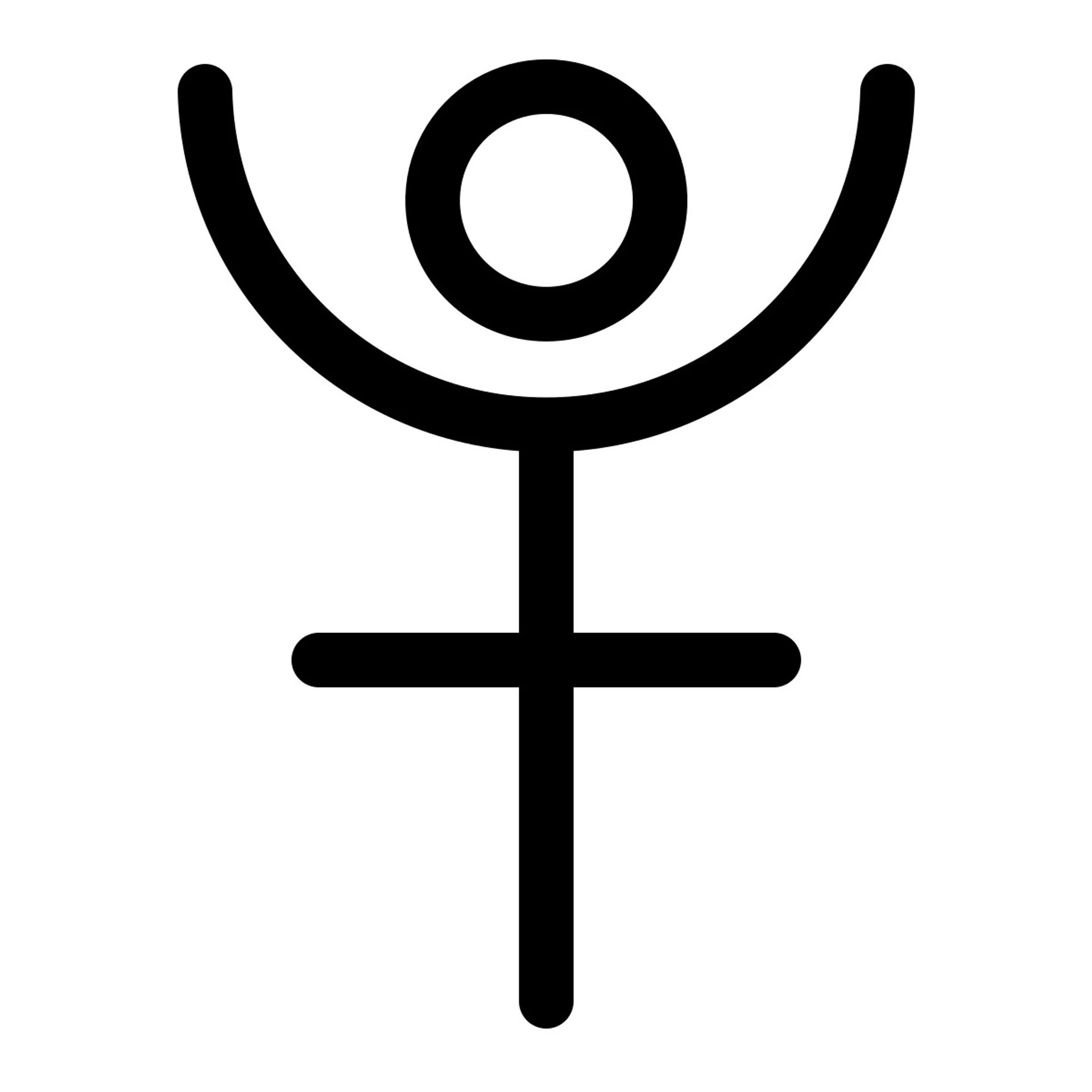
Represents: the desire for destruction and reform
Keyword: transformation
Anatomy: excretory systems, reproductive system, pituitary gland, abnormal growths (warts, tumors, birthmarks)
Pluto indicates:
- Deep psychological restructuring
- Themes of power, control, influence
- Transformational processes (losses, cleansing, regeneration)
- Access to hidden forces, instincts, and taboos
Positive:
- Willpower, endurance, ability for deep change
- Psychological insight, ability to influence
- Transformation of pain into strength
- Deep interest in truth, mysticism, hidden knowledge
Negative:
- Obsessiveness, manipulation, need for control
- Destructiveness, cruelty, emotional obsession
- Subconscious struggle or fear of change
- Risk of isolation, extremes, fanaticism
Orbital period: ~248-254 years (12-30 years in each sign)
Collective planet: its position indicates generational themes of transformation.
🔍 Mythology and symbolism:
Named after the Roman god of the underworld (the Greek Hades), Pluto carries the archetype of destruction for the sake of rebirth. It awakens the deepest layers of the psyche, which are difficult to work with, but they are the source of great strength.
It rules the underworld and what is hidden from view, including the unknown worlds within ourselves, your suppressed, unconscious self. It also represents all reproductive processes, such as conception, reproduction, printing, and so on. Pluto governs masses, renunciations, overthrows, atomic energy, and crimes.
It rules fears, growth slowdown, group factors, transmutation, beginning and end, birth and death, isolation, coercion, disappearances, bacteria, and viruses. It represents emergence, restoration, and rebirth. It expresses everything mysterious or hidden. It governs unemployment, water supply, dictatorships, unpopular methods of government, and everything that is inaccessible but attractive.
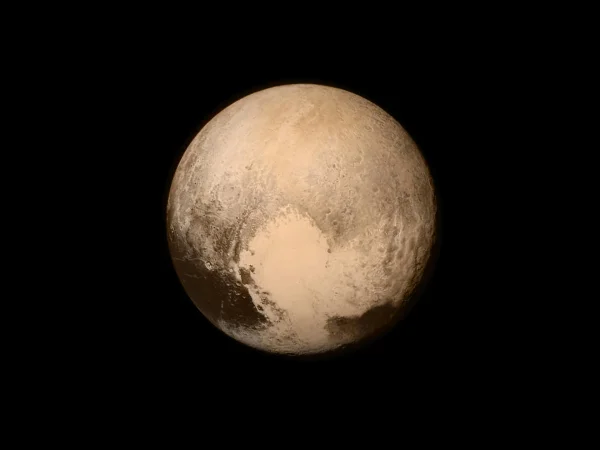
Pluto was discovered in 1930 as a result of extensive searches by the astronomer Clyde Tombaugh. Some astronomers have long argued that Pluto's small size, less than one-fifth of Earth's diameter, and its strange tilted orbit, which carries it inside Neptune every few hundred years, make Pluto more like a Kuiper belt object than a full-fledged planet. On August 24, 2006, the International Astronomical Union adopted a new definition of a planet, which excludes Pluto and classifies it as a new category of dwarf planets. However, from an astrological point of view, small Pluto is as strong as ever!
On the brighter side, Pluto is associated with renewal and rebirth. It embodies endings and new beginnings, as well as spiritual growth and rebirth. A negative manifestation of Pluto is an obsessive desire for power and control and general destructiveness. A positive manifestation is the ability and desire to transform. In a chart, the position of Pluto by sign will be shared with other people of the same generation due to the relatively slow movement of Pluto, the most distant planet, in the heavens. By house, the position of Pluto shows where people look for truth and deeper meaning. This area of life may be associated with changes, shocks, power struggles, and control issues. Pluto in aspect to other planets in the chart colors these energies with obsessive qualities, power struggles, the need to find deeper meanings, and a willingness to explore and analyze. Where we find Pluto in the chart, we either strive for change and transformation, or they are imposed on us if we refuse to accept our deepest needs. If we fear the energy of Pluto or our dark side, a byproduct can be destructiveness, both directed at ourselves and at others.
Pluto causes radical shocks from which it is impossible to escape. After its transit, a person feels a complete transformation, positively or negatively. Pluto also governs our deepest instincts, our obsessive ideas, our anxieties, and our sexual energy.
Plutonians are mysterious, deep, magnetic, sometimes disturbing, endowed with an incredible amount of energy, and capable of constantly questioning self-analysis. They can also, in some rare cases, be cruel, sadistic, and perverse.