









Matrix Center and Core Comfort Zone: How to Find Your Inner Place of Power


- What Is the 'Matrix Center' and Why It Differs From a Simple Comfort Zone
- Signs You Are Operating From Your Inner Place of Power
- Physical and Emotional Markers
- Behavioral and Language Patterns
- How to Identify Your Own Place of Power: A Step-by-Step Framework
- Core Comfort Zone vs Avoidance vs Growth Zone vs Panic Zone
- Why Your Place of Power Changes Over Time
- Frequently Asked Questions
- What does matrix center mean in this context?
- Is the core comfort zone the same as avoidance?
- How often should I reassess my place of power?
- Can I find my place of power without professional help?
Matrix Center and Core Comfort Zone: How to Find Your Inner Place of Power
Your core comfort zone is the state where you feel safe. Anxiety is low. Things feel familiar. Your matrix center is your inner anchor point. It forms the set of values and conditions where you feel grounded and truly yourself. You can think of it as an internal reference point or explore your personal destiny matrix calculator to understand your core energetic zones.
You can spot your place of power without guessing. Look for repeating patterns like moments of ease, clear thinking, and steady energy. If a task feels hard but your mind stays calm, that is a signal. If you feel drained in the same situations, that is another signal. Self-awareness acts as the tool while the patterns provide the proof.
This approach avoids pushing you to leave your comfort zone just for the sake of it. That old advice ignores psychological safety. Real growth needs some safety to work from. The Yerkes-Dodson Law shows this clearly because performance rises with pressure up to a point before dropping fast. Push too far and you land in the panic zone.
This article gives you a framework to find your own place of power. You will learn to read your energy, protect your personal boundaries, and use your inner resources on purpose. That builds real self-efficacy instead of a temporary boost.
What Is the 'Matrix Center' and Why It Differs From a Simple Comfort Zone
A comfort zone is a mental state with low anxiety and steady performance. You feel calm. You know what to expect. Psychologists have used this basic definition for decades, and they tie it to the Yerkes-Dodson Law from 1908. That law links stress and performance because a little pressure helps you focus while too much causes a crash.
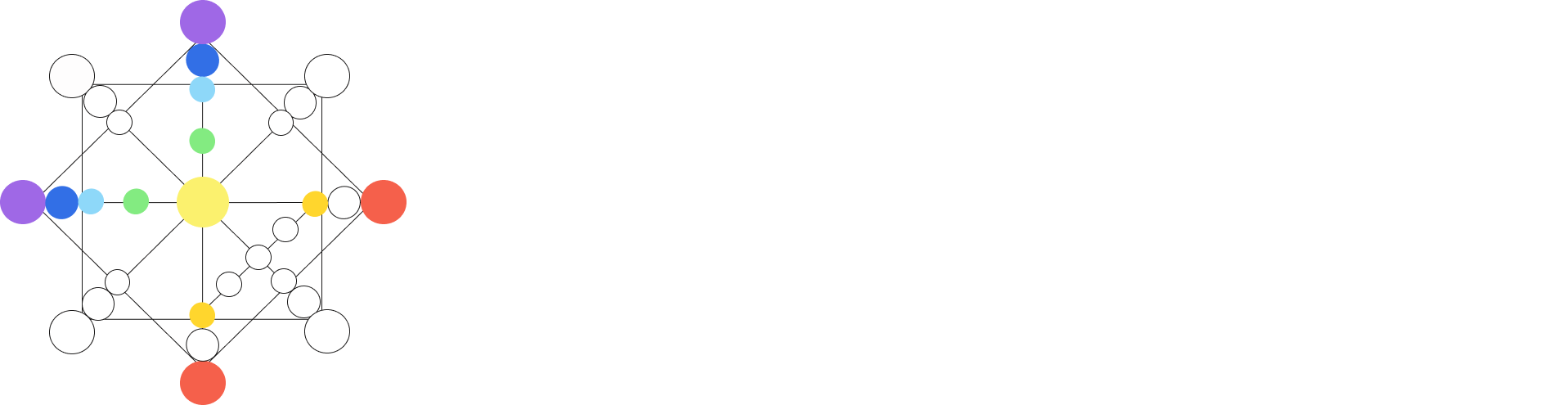
Most articles stop there. The matrix center idea adds a missing piece. Your core acts as an inner resource hub rather than just a safe spot. Think of four layers, like rings on a target.
- Center: Your core values, grounding, and calm form your place of power.
- Inner ring: Familiar routines, habits, and daily tasks you handle on autopilot.
- Outer ring: The growth edge, where new skills and real learning happen.
- Beyond: The panic zone, where stress blocks clear thinking.
The center is not something to escape. It provides a base you return to before you push outward. Athletes do this before competition. They ground themselves, then step into pressure on purpose. That order matters for self-efficacy and long-term resilience.
Working from your center also protects your personal boundaries. You choose the pressure instead of pressure choosing you. That shift forms the core of self-awareness.
Signs You Are Operating From Your Inner Place of Power
Your matrix center leaves clues. They show up in your body, your mood, your choices, and the words you pick. Here is what to check in plain terms.
Physical and Emotional Markers
The body relaxes first before the mind catches up. This links to the Yerkes-Dodson Law because performance peaks at a medium level of arousal rather than at zero or high stress.
- Breathing stays slow and even under mild pressure.
- Shoulders and jaw feel loose without constant tension.
- Posture remains steady instead of stiff or slumped.
- Mood is calm and alert, which differs from boredom or numbness.
- You notice psychological safety even when you are alone.
Behavioral and Language Patterns
Your place of power also shows in daily habits. Decisions come faster and feel more consistent because you check them against your core values.
- You say no without long guilt afterward.
- Your choices stay steady across similar situations.
- You protect personal boundaries without over-explaining.
- You speak in terms of what you choose rather than what you have to do.
- You describe pressure as something you stepped into.
These signals are not fixed rules. One person feels grounded through slow breathing while another uses blunt honesty in a hard conversation. Watch your own pattern over weeks instead of one single day. That kind of self-awareness builds real self-efficacy over time.
How to Identify Your Own Place of Power: A Step-by-Step Framework
You can find your matrix center with five steps. You need no app or test, just honest notes over a few weeks. This is a self-reflection tool. If you feel stuck for a long time, talk to a therapist.

This connects to the Yerkes-Dodson Law because performance peaks at a medium level of pressure rather than zero pressure. Your place of power sits near that peak, past your comfort zone and inside a growth zone. It relies on psychological safety and clear personal boundaries.
Core Comfort Zone vs Avoidance vs Growth Zone vs Panic Zone
People mix up four states, and that hides the real matrix center. The core comfort zone is calm and low stress, and you use it as a base. Avoidance looks the same from the outside, but fear drives it and cuts you off from life. The growth zone feels harder, but new skills form there. The panic zone shuts your brain down so no learning happens.
| Zone | What it feels like | Effect over time | One question to check it |
|---|---|---|---|
| Core comfort zone | Low stress and high familiarity | Stable base for action | Am I resting here to act later? |
| Avoidance zone | Feels safe but stiff | Stagnation and disconnection | Am I saying no because of fear? |
| Growth zone | Manageable stress | New skills and resilience | Is the stress teaching me something? |
| Panic zone | Overwhelming stress | Exhausts inner resources | Can I still think clearly right now? |
Self-awareness tells these zones apart. Fear and rest feel almost the same in the body. That is why psychological safety and clear personal boundaries matter more than avoiding pressure.
Why Your Place of Power Changes Over Time
Your matrix center is not a fixed address. It moves as your life moves through a new job, a move to another city, a birth, or a loss. Each event can shift your comfort zone and reset your place of power.
Think about a new parent. Before the baby, their growth zone was public speaking or travel. After a few sleepless months, getting through the day calmly becomes the real growth zone. The old center does not apply anymore.
Re-mapping the framework is not a failure. Do it after any big transition or twice a year as a check-in. Ask what feels safe and what tips into panic. Your core values stay stable, but the situations that test them will change.
Sometimes a person feels no grounding at all for months. Nothing feels safe, not even old routines. If this instability lasts, raise the issue with a mental health professional.
The real goal is fluency. You need the self-efficacy to notice where you stand and the resilience to move between comfort and growth on your own terms.
Frequently Asked Questions
What does matrix center mean in this context?
The matrix center refers to an internal reference point where a person feels grounded and capable. It describes the core of the comfort-zone model.
Is the core comfort zone the same as avoidance?
No. A genuine core comfort zone supports action while avoidance is driven by fear and leads to stagnation.
How often should I reassess my place of power?
Revisiting your center after major life changes like a new job or relocation makes sense because circumstances shift.
Can I find my place of power without professional help?
Self-reflection tools work for most people. However, if you consistently lack any sense of stability, speak with a mental health professional.