








The Moon
- 🌙 The Moon in astrology: a symbol of emotions, memory, and the subconscious
- 🧠 Nature and qualities of the Moon
- 🌊 Astrological rulership
- 💫 Symbolism in the birth chart
- 🧬 The Moon in physiology and psychology
- 🐚 Correspondences in the world
- 🌘 Phases, cycle, and rhythms
The Moon
🌙 The Moon in astrology: a symbol of emotions, memory, and the subconscious
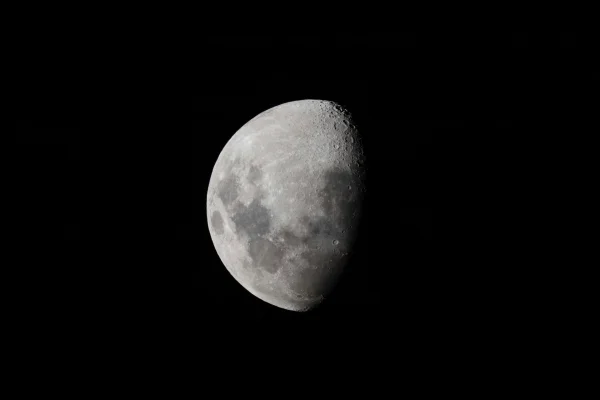
The Moon is a night luminary. It symbolizes a feminine, moist, and cold principle. Its nature is soft, passive, and changeable. It is the planet of the subconscious, emotions, internal reactions, motherhood, and intuition. In a birth chart, it represents our sensitivity, ability to empathize, basic need for security, as well as childhood and the relationship with the mother.
🧠 Nature and qualities of the Moon
- Temperament: phlegmatic, cold and moist.
- Element: water.
- Character: emotional, passive, sensitive, focused on the past, imagination, and internal experiences.
- Symbolism: motherhood, femininity, care, inner world, subconscious, rhythms of nature.
The Moon moves faster than all other planets. It passes through the entire Zodiac in about 28 days, staying in each sign for about 2.5 days. This makes it the planet of daily moods and instant reactions.
🌊 Astrological rulership
- Sign of rulership: ♋ Cancer
- Sign of exaltation: ♉ Taurus
- Sign of fall: ♏ Scorpio
- Sign of detriment: ♑ Capricorn
- Keyword: Feelings
- Direction: West
- Day of the week: Monday
- Firdaria: 9 years
- Orb of influence: ±12 degrees
💫 Symbolism in the birth chart
In women
The Moon shows the expression of femininity, maternal potential, attitude toward the home space, the connection with the mother, and mood.
In men
The Moon describes the internal feminine nature (anima), the need for emotional comfort, and the type of woman one is attracted to. Often the Moon in a male chart is suppressed, but it shows how a man expresses care, emotions, and sensitivity.
🧬 The Moon in physiology and psychology
- Body parts: stomach, throat, uterus, eyes (left eye for daytime births, right eye for nighttime births), left side of the body.
- Somatic correspondences: diseases related to mucus, excess fluid, fears, phobias, hysteria, emotional instability.
- Mental aspects: dreaminess, nostalgia, sensitivity, fears, suggestibility.
🐚 Correspondences in the world
People
- Children, servants, travelers, messengers, sailors.
- People with a dual or unstable psyche, full of internal contradictions and fears.
Appearance with a strong Moon
- Tall height, plump white face, joined eyebrows, quick walk.
- Skin color changes depending on the Moon phase at birth. It is lighter during the waxing phase and darker during the waning phase.
Animals
- Donkeys, mules, bulls, rabbits, fish.
- Birds and amphibians of white color.
Plants
- Cold and moist by nature: cucumbers, melons, pumpkins, chamomile, peaches, salty or greenish-white crops.
Minerals
- Silver, crystal, copper, lime.
Places
- Seas, rivers, irrigation systems, canals.
Clothing
- Items made of horse leather, soft and waterproof materials.
🌘 Phases, cycle, and rhythms
The Moon is the main regulator of biorhythms. Its cycle forms:
- Moon phases: waxing, full moon, waning, new moon;
- Menstrual cycle in women;
- Emotional fluctuations and moods.
A particularly strong Moon in a birth chart is often found in artists, poets, actors, mediums, and people with strong intuition and a rich inner world.
The Moon is a connection to the past, childhood, and roots. It is responsible for emotional memory, the need for attachment, and the ability to care for others. It is also a symbol of subconscious behavior patterns that form in early age.
In astropsychology, the Moon is an indicator of basic emotional security. It shows what we need to feel good in this world.